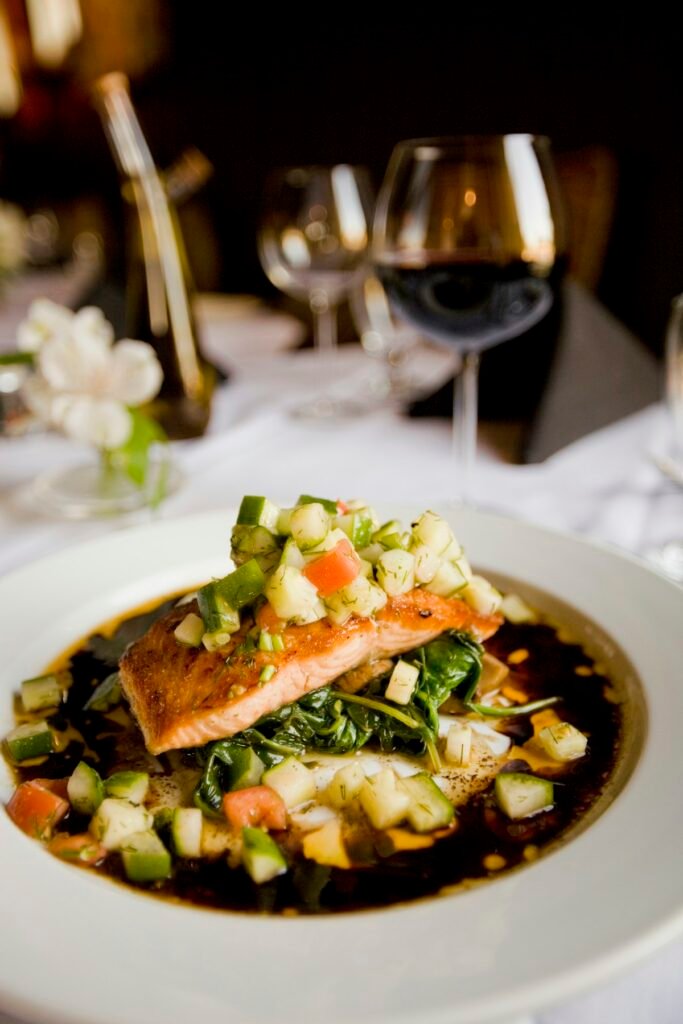
There’s a version of weeknight cooking where dinner is honestly delicious, on the table in 30 minutes, requires one pan, and generates approximately zero stress. I spent years thinking that was a fantasy invented by cooking show hosts with prep teams.
Then I made sheet pan salmon with roasted vegetables for the first time and realized it was just… Tuesday night.
This recipe has become my most-made weeknight dinner. The salmon comes out with crispy edges and a tender, flaky center. The vegetables caramelize beautifully in the same oven at the same time. One pan goes in, 25 minutes later dinner is done, and cleanup is a single sheet pan and a spatula.
Let me show you exactly how to make it — including the lemon herb marinade that makes every bite taste like something you’d order at a nice restaurant.
Why Sheet Pan Dinners Are the Weeknight Hero
The brilliance of sheet pan cooking is that it solves the biggest weeknight problem: having multiple components ready at the same time without standing over the stove managing everything simultaneously.
You toss everything together, put it in the oven, set a timer, and walk away. The oven does the work. No stirring, no flipping every two minutes, no timing three different pots. Just the oven, doing what ovens were built to do.
Salmon is the perfect sheet pan protein because it cooks fast (15–18 minutes) and at the same temperature vegetables love (400–425°F). Everything finishes together.
Ingredients
For the salmon:
- 4 salmon fillets (about 6 oz each), skin-on preferred
- 2 tbsp olive oil
- 3 cloves garlic, minced
- 1 lemon, zested and juiced
- 1 tbsp fresh dill (or 1 tsp dried)
- 1 tsp honey or maple syrup
- Salt and black pepper generously
For the vegetables:
- 2 cups broccoli florets
- 1 large zucchini, sliced into half-moons
- 1 red bell pepper, sliced
- 1 cup cherry tomatoes
- 2 tbsp olive oil
- 1 tsp garlic powder
- 1/2 tsp dried oregano
- Salt and pepper to taste
For serving:
- Lemon wedges
- Fresh dill or parsley
- Optional: cooked quinoa or brown rice
Step-by-Step Instructions
Step 1: Make the Marinade (5 minutes)
Whisk together olive oil, minced garlic, lemon zest, lemon juice, dill, honey, salt, and pepper in a small bowl. Taste it — it should be bright, herby, and slightly tangy. Place salmon fillets in a shallow dish or zip-lock bag and pour the marinade over them. Let sit while you prep the vegetables. Even 10 minutes makes a difference.
Step 2: Prep the Vegetables (5 minutes)
Preheat your oven to 425°F (220°C). Line a large rimmed sheet pan with parchment paper or foil (for easy cleanup). Toss the broccoli, zucchini, bell pepper, and cherry tomatoes with olive oil, garlic powder, oregano, salt, and pepper directly on the pan. Spread them into a single layer around the edges of the pan, leaving space in the center for the salmon.
Step 3: Roast the Vegetables First (8 minutes)
This is the key to getting everything done at the same time. Put the pan in the preheated oven and roast the vegetables for 8 minutes before adding the salmon. Salmon cooks faster than most vegetables, so this head start ensures the vegetables are properly caramelized by the time the salmon is done.
Step 4: Add the Salmon and Finish (15–18 minutes)
Pull the pan out of the oven and nestle the marinated salmon fillets in the center, skin-side down. Spoon any extra marinade over the top. Return to the oven and roast for 12–15 minutes, until the salmon flakes easily with a fork and is just opaque in the center. The edges should be lightly caramelized and the top should look slightly glazed from the honey.
Don’t overcook it. Salmon is done when it flakes at the thickest part and the color has changed from deep pink to lighter pink throughout. Pull it 1–2 minutes before you think it’s done — it continues cooking on the hot pan.
Step 5: Finish and Serve
Remove from oven. Squeeze fresh lemon over everything. Scatter fresh dill or parsley on top. Serve immediately from the pan with extra lemon wedges on the side. If you prepped some quinoa or brown rice, spoon it into bowls and pile the salmon and vegetables on top for a complete meal.
Variations and Swaps
Different vegetables: Asparagus, green beans, cauliflower, sliced red onion, and sweet potato (sliced thin) all work beautifully. Starchier vegetables like sweet potato need the full 25–30 minutes, so add them 5 minutes before the broccoli goes in.
Different marinade: Try soy sauce + sesame oil + ginger + garlic for an Asian-inspired version. Or try Dijon mustard + maple syrup + fresh thyme for something more sophisticated.
Different protein: This exact method works with cod, halibut, shrimp (even shorter cook time — 8–10 minutes), or chicken thighs (longer cook time — add 10–15 minutes before the vegetables).
No fresh herbs? No problem. Dried herbs work fine — just use a third of the amount since dried herbs are more concentrated.
Nutrition Information
This is one of those rare meals that tastes indulgent but is genuinely one of the most nourishing things you can eat. Per serving (one salmon fillet with vegetables):
- Calories: approximately 380–420
- Protein: 35–40g
- Healthy fats (omega-3s): 12–15g
- Fiber: 5–6g
Salmon is one of the highest natural sources of omega-3 fatty acids, which are linked to reduced inflammation, improved heart health, and better brain function. The colorful vegetables add antioxidants, vitamins C and A, and gut-healthy fiber.
Frequently Asked Questions
Should I use skin-on or skinless salmon?
Skin-on is my preference. The skin protects the bottom of the fillet from direct heat, keeping the flesh more moist. It also prevents sticking. You can always peel the skin off before eating — it slides right off once cooked.
How do I know when salmon is done without a thermometer?
Press lightly on the thickest part with a fork. If it flakes easily and the flesh has changed from translucent to opaque all the way through, it’s done. For food safety, the internal temperature should reach 145°F. I like salmon at around 125–130°F for a slightly more tender center, but cook to your preference.
Can I meal prep this recipe?
Yes! Cooked salmon keeps for 3 days in the fridge. Reheat gently in a 275°F oven for 10–15 minutes or eat it cold over a salad (honestly, cold leftover salmon on greens with this lemon herb marinade as dressing is excellent). The vegetables reheat well in the microwave or oven.
What should I serve with sheet pan salmon?
It’s a complete meal as written, but brown rice, quinoa, or crusty whole-grain bread make it heartier. A simple green salad on the side is all you need. For a lower-carb option, serve over cauliflower rice.
Can I use frozen salmon?
Yes — just thaw completely and pat dry before marinating. Moisture is the enemy of good caramelization. I actually keep frozen salmon fillets on hand at all times for exactly this reason.
The One-Pan Dinner That Earns a Permanent Spot in Your Rotation
I’ve made this recipe dozens of times and it never gets old — partly because the flavors are genuinely great, and partly because the whole process is so effortless that it feels like a cheat code for weeknight cooking.
Make it this week. You’ll be back for more next week.
Leave a comment below if you tried it — I love knowing which variations people experiment with. The soy-ginger version is especially popular in the colder months!