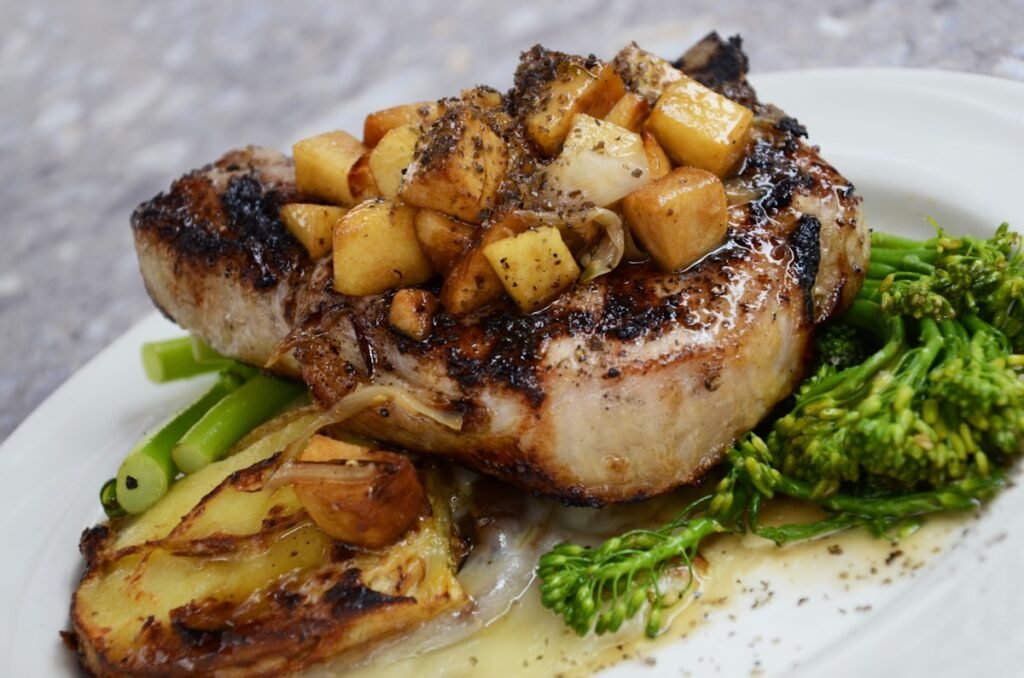
Baked chicken breast has a PR problem. For most people it conjures images of something pale, dry, and joyless — the kind of meal you eat not because you want to but because you feel like you should. I used to be in that camp. Then I figured out exactly why baked chicken breast fails, fixed every single variable, and ended up with a recipe I genuinely crave.
This lemon herb baked chicken breast is juicy every single time. Not just acceptable — actually juicy. It takes 10 minutes to prep, 20 minutes to bake, and goes with literally everything. I make it at least twice a week and it has never once disappointed me.
Why Chicken Breast Always Comes Out Dry (And How to Fix It)
Chicken breast is a lean, unforgiving cut. It has very little fat to protect it from heat, which means even a few minutes of overcooking pulls all the moisture out. Here’s what actually makes the difference:
Problem 1: Uneven thickness. Most chicken breasts are significantly thicker in the middle than at the ends. The thin parts finish cooking long before the thick part reaches temperature, so by the time the center is cooked, the edges are completely dried out. Fix: Pound to even thickness.
Problem 2: Too low a temperature. Many recipes say 350°F, but lower temperatures mean longer cook times, which means more moisture loss. Fix: 425°F. Quick, high heat seals the outside fast.
Problem 3: No resting time. Cutting into chicken immediately after baking releases all the juices that haven’t had time to redistribute. Fix: Rest 5 minutes before slicing. Non-negotiable.
Problem 4: No marinade or brine. A simple oil-and-acid marinade both tenderizes the meat and keeps it moist during cooking. Fix: Even 20 minutes in a marinade makes a dramatic difference.
Do all four of these and dry chicken breast becomes something you haven’t experienced before.
Ingredients (serves 4)
- 4 boneless, skinless chicken breasts (about 6–7 oz each)
- 3 tbsp olive oil
- 3 tbsp fresh lemon juice (about 1 large lemon)
- 1 tsp lemon zest
- 4 cloves garlic, finely minced or pressed
- 1 tsp dried oregano
- 1 tsp dried thyme
- 1 tsp dried rosemary, crushed
- 1/2 tsp smoked paprika
- 1 tsp salt (more than you think you need)
- 1/2 tsp black pepper
- Fresh lemon slices and rosemary for the pan (optional but makes it beautiful)
Instructions
Step 1: Flatten the Chicken (5 minutes)
Place each chicken breast between two sheets of plastic wrap or in a zip-lock bag. Using a meat mallet, rolling pin, or heavy pan, pound from the thick end outward until the breast is an even 3/4-inch thickness throughout. This might feel fussy the first time — it becomes second nature quickly, and the difference in final texture makes it absolutely worth doing.
Step 2: Marinate (20 minutes to overnight)
Whisk together olive oil, lemon juice, lemon zest, garlic, oregano, thyme, rosemary, paprika, salt, and pepper. Place chicken in a shallow baking dish or zip-lock bag and pour the marinade over it. Turn to coat. Marinate at room temperature for 20–30 minutes, or refrigerate up to 24 hours. The longer the marinade, the more flavor penetrates the meat — overnight is outstanding.
Step 3: Bake at High Heat
Preheat oven to 425°F (220°C). Transfer the marinated chicken (along with all the marinade) to a baking dish or sheet pan. If using fresh lemon slices and rosemary sprigs, tuck them around the chicken — they perfume the oven beautifully and make it look intentional. Bake for 18–22 minutes. Start checking at 18 minutes with an instant-read thermometer — you’re looking for exactly 165°F at the thickest part.
Step 4: Rest, Then Slice
Remove from the oven and cover loosely with foil. Rest for exactly 5 minutes. This lets the muscle fibers relax and the juices redistribute evenly throughout the meat. Slice against the grain (perpendicular to the muscle fibers you can see running lengthwise). This shortens the fibers for a more tender bite.
What to Serve It With
This chicken goes with essentially everything, which is why it’s such a great meal prep staple:
- Weeknight dinner: Roasted vegetables and brown rice or quinoa
- Mediterranean bowl: Sliced over herbed couscous with cucumber, tomatoes, feta, and tzatziki
- Salad: Sliced warm over mixed greens with olive oil and lemon dressing
- Wrap: With hummus, roasted peppers, arugula, and a squeeze of lemon in a whole wheat tortilla
- Meal prep: Store sliced in the fridge for 4–5 days and use throughout the week in any of the above
How to Check Chicken Is Done Without Drying It Out
An instant-read thermometer is the single best investment you can make for cooking chicken. Pull the breast from the oven at exactly 160–162°F — it will carry-over cook to 165°F during the resting period. This gives you the safest and most perfectly moist result possible. Without a thermometer, use the poke test: fully cooked chicken feels firm but slightly springy. Undercooked feels soft and squishy; overcooked feels hard and completely rigid.
Nutrition per Serving
- Calories: 290
- Protein: 42g
- Fat: 12g (healthy fats from olive oil)
- Carbs: 2g
Frequently Asked Questions
Can I use chicken thighs with this recipe?
Yes, and honestly they’re even more forgiving. Bone-in thighs need 35–40 minutes at 425°F. Boneless thighs need 22–25 minutes. Both will be juicy without pounding because thighs have more fat. Same marinade works perfectly.
Can I cook this on the stovetop instead?
Absolutely. After marinating and pounding, sear in a hot skillet with 1 tbsp olive oil over medium-high heat. 6–7 minutes per side for a 3/4-inch breast. Rest the same way. The stovetop method gives you a slightly better crust if you want more browned exterior.
How long does baked chicken keep in the fridge?
Up to 5 days in an airtight container. Slice before storing for grab-and-go convenience. Reheat gently in a 300°F oven for 8–10 minutes, or enjoy cold sliced over a salad — leftover lemon herb chicken cold is genuinely excellent.
Do I have to pound the chicken?
You don’t have to. But you will notice the difference. Un-pounded chicken breasts almost always have overcooked thin edges by the time the thick center is done. If you skip it, at minimum butterfly the thickest breasts (slice horizontally almost through) to open them up and reduce the thickness variation.
The Only Baked Chicken Recipe You’ll Ever Need
Once you make this and taste the difference the pounding, the high heat, and the resting period make — you’ll never go back to throwing an un-prepped chicken breast in a 350°F oven and wondering why it turned out dry.
This recipe has become the backbone of my weekly cooking. I hope it becomes yours too. Drop a comment and tell me how you served it — I’m always looking for new ideas!